One of the first things you'll notice about Melbourne is how quickly the weather can change. You might head out in a T-shirt on a bright, sunny morning, only to find yourself reaching for a jacket a few hours later. Locals often joke about experiencing "four seasons in one day," and after spending some time here, you'll understand exactly what they mean.
Whether you're visiting for a weekend getaway, planning a road trip along the Great Ocean Road, or moving to Australia to study, understanding Melbourne weather will help you make the most of your time in the city. Melbourne experiences four distinct seasons, each bringing its own rhythm, from warm summer afternoons by the beach to crisp autumn walks, cozy winter cafes, and colorful spring gardens.
For international students, adjusting to Australia's seasons can take a little getting used to. Summer falls between December and February, while winter arrives from June to August—the opposite of what many people from the Northern Hemisphere are used to. Knowing what to expect before you arrive makes it much easier to pack, settle in, and enjoy everything Melbourne has to offer.
The best part? Melbourne's weather rarely stops people from getting out and exploring. Instead, locals simply dress in layers, check the forecast before leaving home, and carry on with their day. Once you get used to its ever-changing skies, you'll discover that the city's unpredictable weather is part of what makes Melbourne such a memorable place to visit and study.
Melbourne Weather in a Nutshell
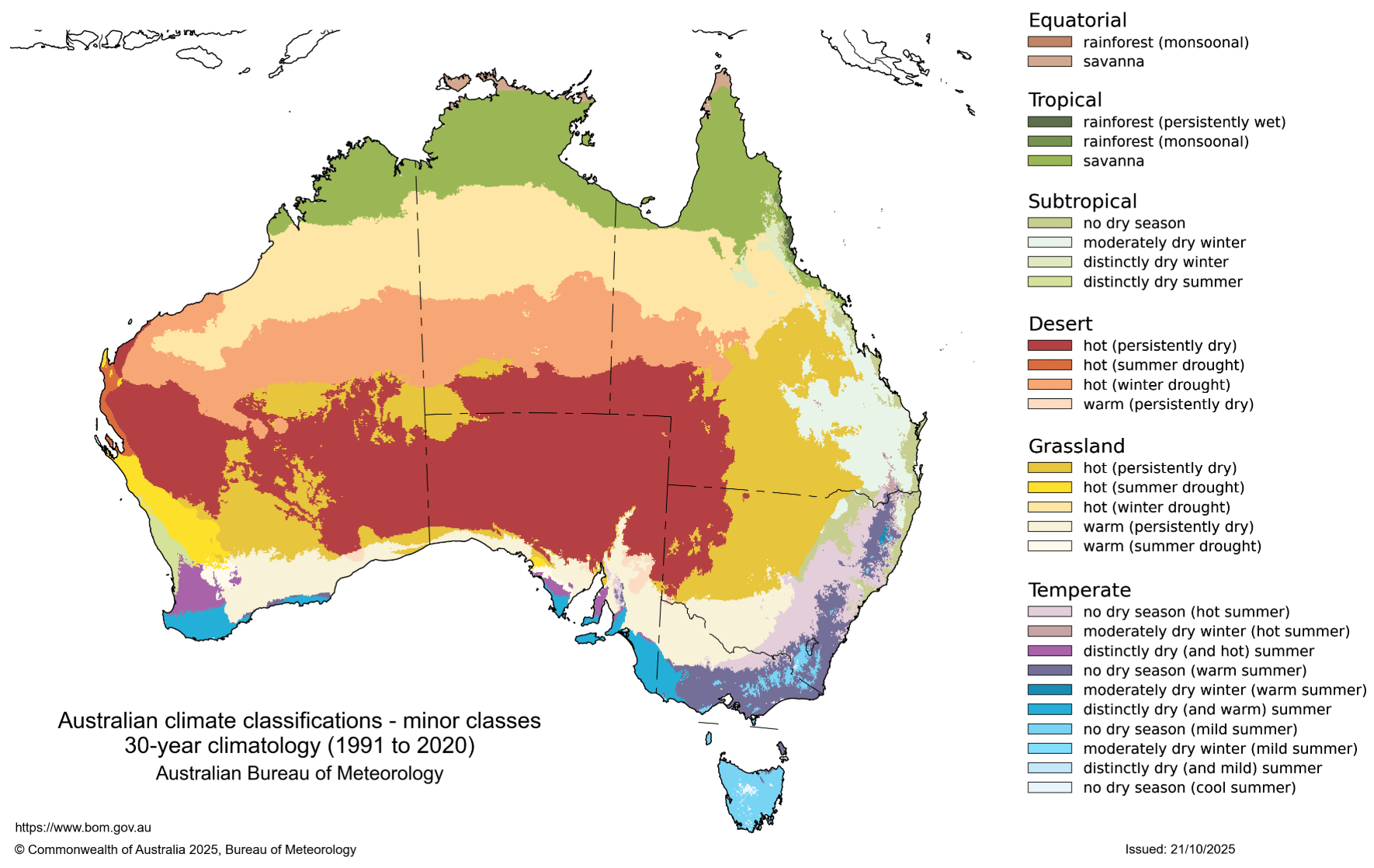
Photo credit: Bureau of Meteorology
According to Australia’s Bureau of Meteorology, Melbourne City's weather is classified as a temperate climate, with warm summers, cool winters, and mild spring and autumn seasons. Average daytime temperatures range from around 14°C during winter to 26°C in summer, although occasional heatwaves and cool fronts can cause sudden temperature changes.
If you're wondering how the weather is in Melbourne throughout the year, the answer is simple: always be prepared for change. Most of the time, locals carry sunglasses, a light jacket, and sometimes even an umbrella regardless of the season.
Before heading out each day, it's worth checking the forecast through trusted sources such as AccuWeather Melbourne or the Australian Bureau of Meteorology. Since forecasts can change quickly, this can help you dress appropriately and make the most of your day.
Summer in Melbourne (December to February)
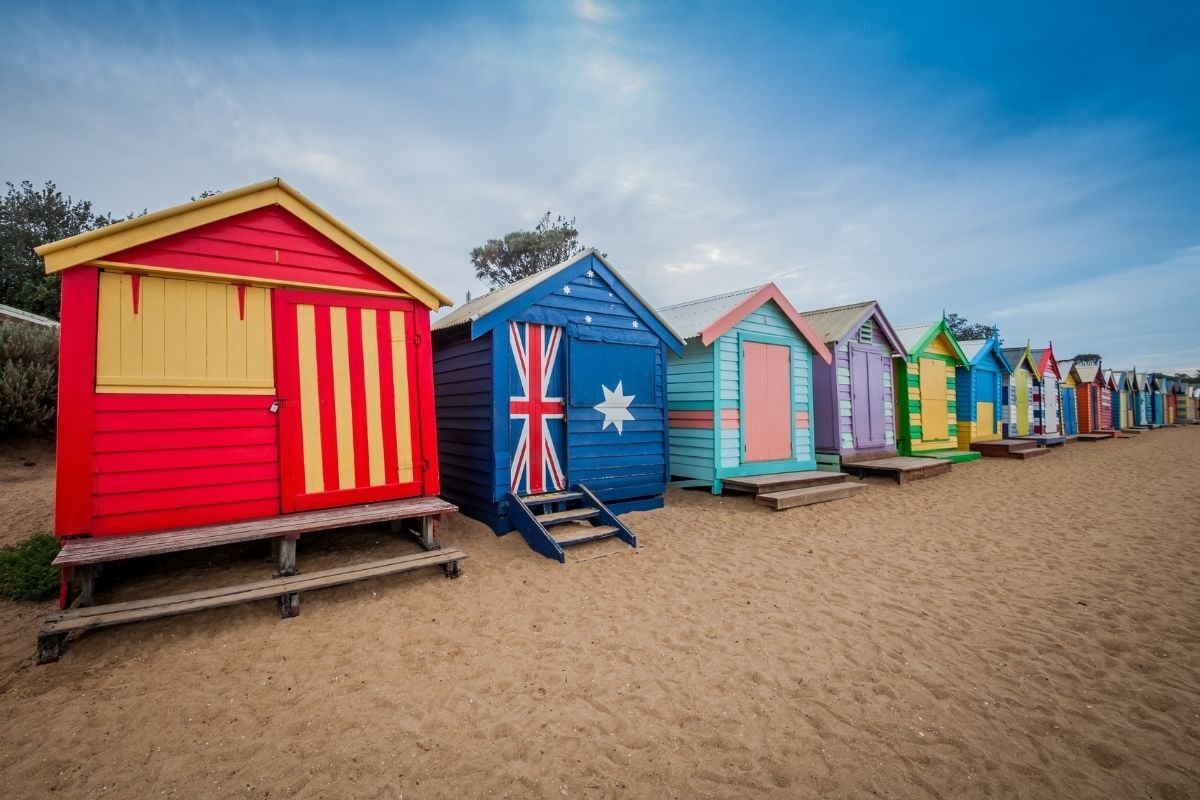
Melbourne summers are lively and great for outdoor activities. Average day temperatures are generally around 20°C to 30°C, but during a heatwave they can reach well above 35°C. It's one of the busiest times of the year in the city, with long days, outdoor festivals, sporting events, and trips to the beach.
The December weather in Melbourne, Australia is typically warm and festive as locals celebrate Christmas during summer. The hottest month is usually January, while in February, the temperatures in Melbourne are typically warm with slightly more comfortable evenings.
Despite the sunshine, Melbourne’s famous weather still throws up the odd surprise, so make sure you’re prepared at any time of the day.
What to pack
- Lightweight cotton clothing
- Shorts, dresses, and breathable shirts
- Sunglasses
- Sunscreen (SPF 50+)
- Hat or cap
- Reusable water bottle
- Comfortable walking shoes
- Light cardigan or jacket for evenings
Where to go in summer in Melbourne
- St Kilda Beach
- Brighton Beach Boxes
- Royal Botanic Gardens
- Federation Square
- Yarra River cruises
- Great Ocean Road day trip
- Phillip Island
Autumn in Melbourne (March to May)
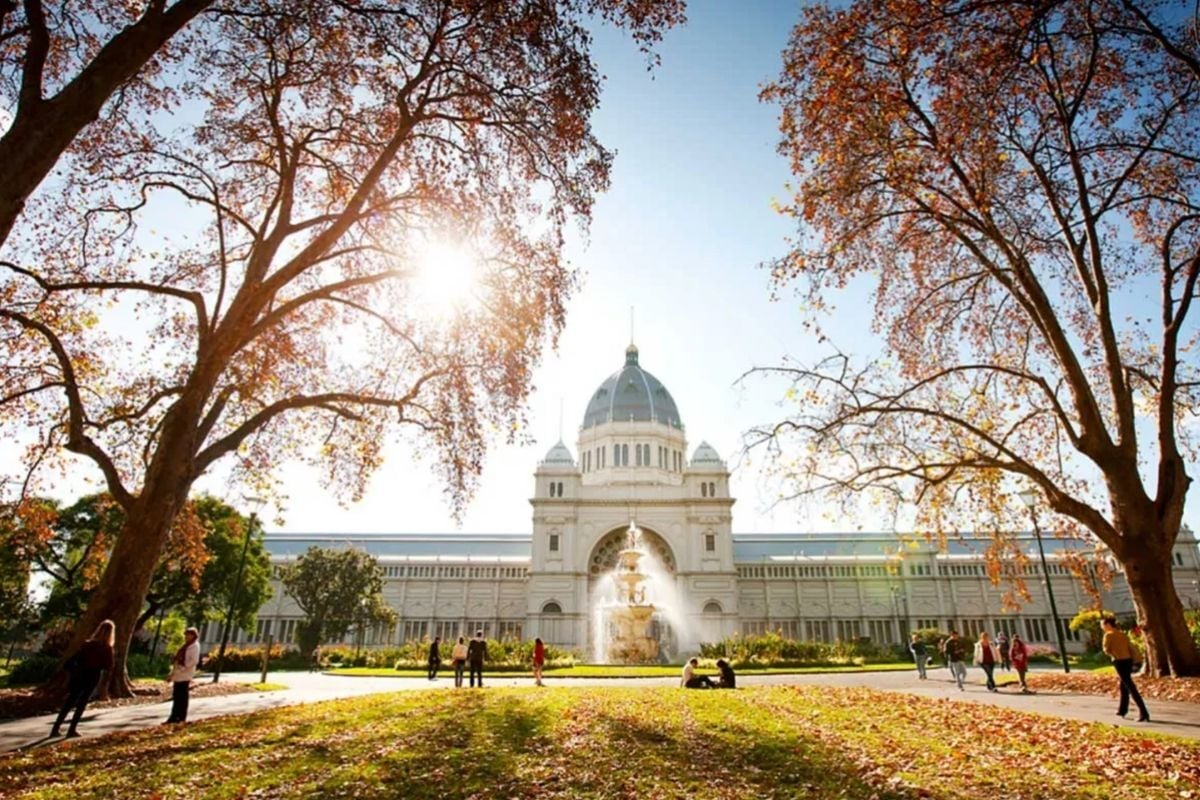
Photo source: melbourne.vic.gov.au
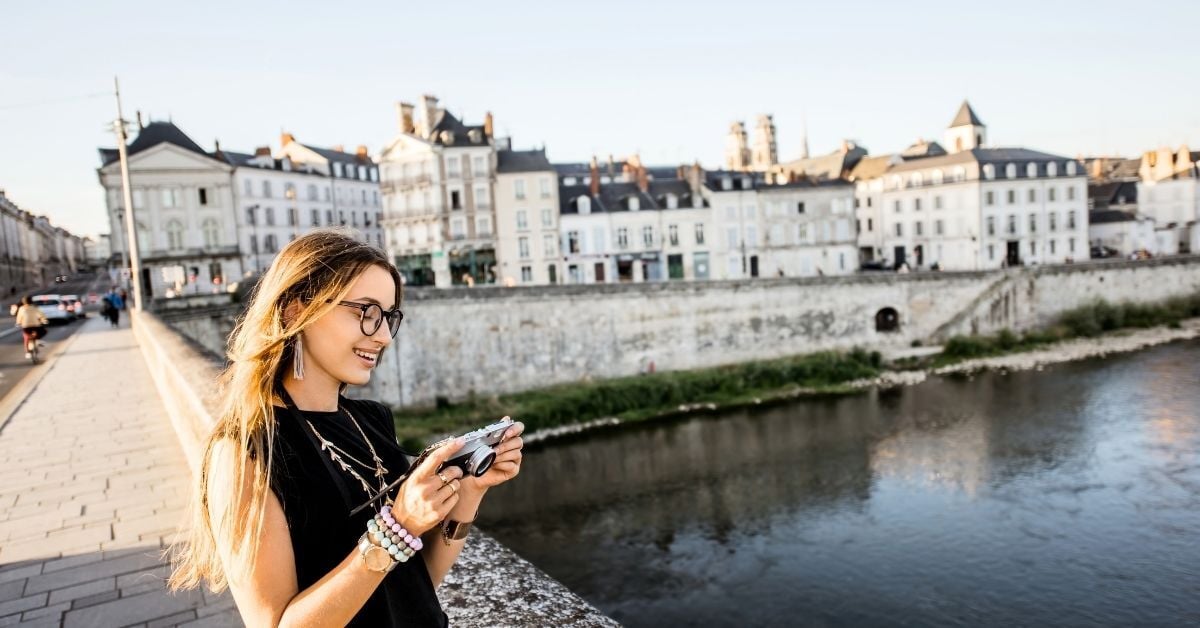
Many locals consider autumn Melbourne's most beautiful season. As temperatures gradually drop after the summer, you can enjoy lovely, mild days for sightseeing, cafe hopping, and park visits without the sweltering heat of the summer months. The trees all over the city turn brilliant reds, oranges, and golds, bringing color to Melbourne's already picturesque streets.
The March weather in Melbourne is usually mild, with warm afternoons and cool evenings that make outdoor dining especially enjoyable. By April, temperatures become noticeably cooler, so expect crisp mornings, comfortable afternoons averaging around 20°C, and occasional rainfall. May brings cooler evenings and the first real signs that winter is approaching.
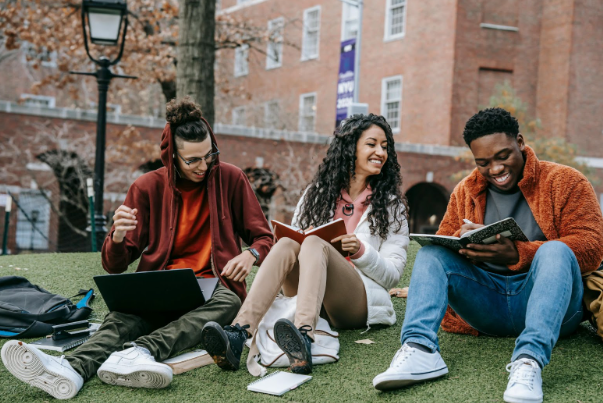
Autumn is also one of the most comfortable seasons for international students arriving in Melbourne. The moderate temperatures make it easy to walk or take public transport to classes while exploring the city's cafes, markets, museums, and gardens during weekends.
Autumn is also an excellent season for photography. The softer sunlight and colorful foliage create stunning backdrops throughout the city, especially around Melbourne's historic gardens and tree-lined boulevards. Whether you're spending a semester abroad or simply visiting for a week, it's one of the most comfortable times to discover why Melbourne consistently ranks among the world's most livable cities.
What to pack
- Long-sleeved shirts
- Jeans or trousers
- Comfortable sneakers
- Medium-weight jacket
- Sweaters
- Compact umbrella
- Scarf for cooler evenings
Where to go in autumn in Melbourne
- Fitzroy Gardens
- Carlton Gardens
- Dandenong Ranges
- Yarra Valley wineries
- Queen Victoria Market
- Hosier Lane
- Melbourne Museum
Must-read: Hidden Gems to Visit in Melbourne
Winter in Melbourne (June to August)
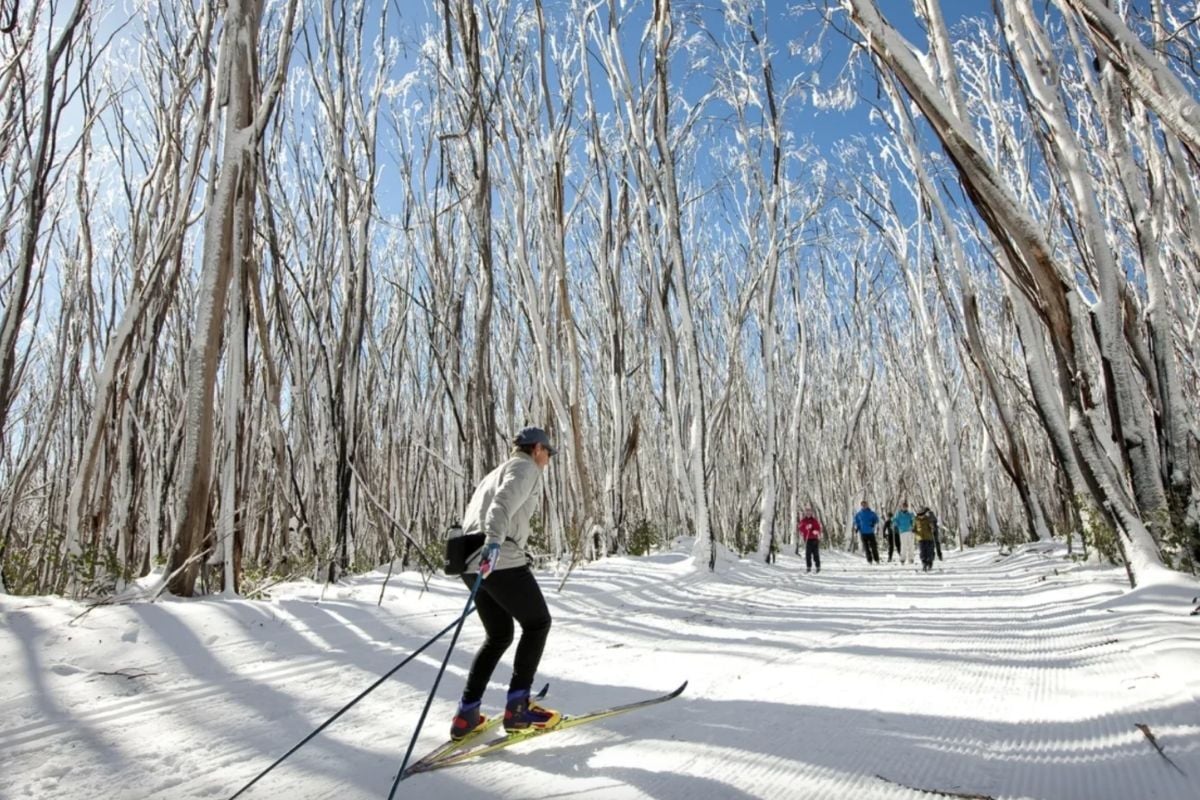
Photo source: Lake Mountain Alpine Resort
Winter in Melbourne is cool rather than harsh, so it’s a comfortable season to explore the city if you dress appropriately. By day, temperatures typically range from 6.5 °C to 15 °C, but it can feel much colder in the morning and evening, especially if there is a strong wind. Rain showers are more frequent at this time of year, but they are usually light and short-lived.
If you’re an international student coming from a warm or tropical country, the winter might feel colder than the thermometer says because of the wind chill. Fortunately, Melbourne’s cafes, museums, libraries, and shopping arcades provide many warm places to spend your day between classes or sightseeing.
August marks the final month of winter, with cool temperatures, occasional rain, and the first hints of spring beginning to appear. You'll often notice blossoms emerging on trees even though you'll still want a warm coat.
One of the most common questions visitors ask is about snowfall in Melbourne. Snow in Melbourne's city center is extraordinarily rare, it just doesn't snow in the CBD during a typical winter. But a few hours' drive away you can find snowfields such as Mount Buller, Lake Mountain, and Mount Baw Baw, making day trips or weekend ski holidays a popular winter activity.
What to pack
- Warm winter coat
- Sweaters and hoodies
- Thermal base layers for colder mornings
- Waterproof jacket
- Scarf, gloves, and beanie
- Waterproof boots or comfortable closed shoes
- Umbrella
Where to go in winter in Melbourne
- National Gallery of Victoria (NGV)
- State Library Victoria
- Queen Victoria Market
- Melbourne Central
- SEA LIFE Melbourne Aquarium
- Mount Buller (day trip)
- Lake Mountain Alpine Resort
Spring in Melbourne (September to November)
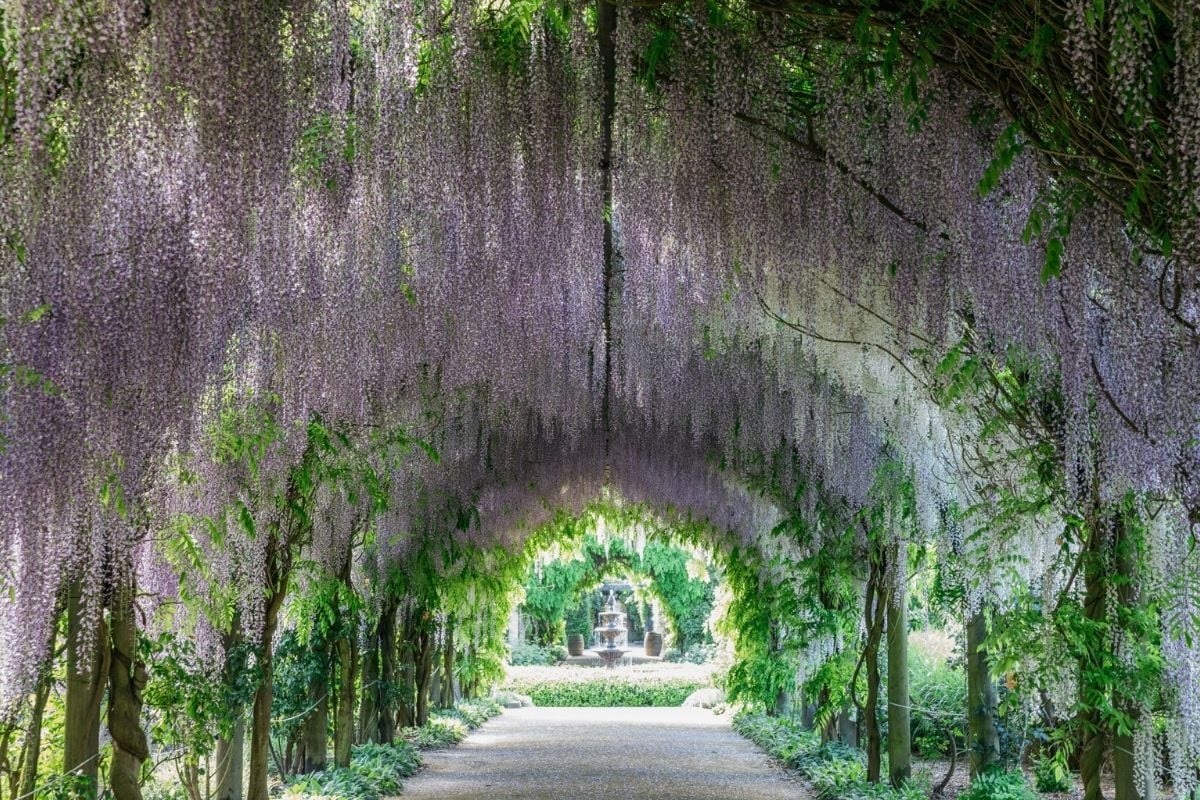
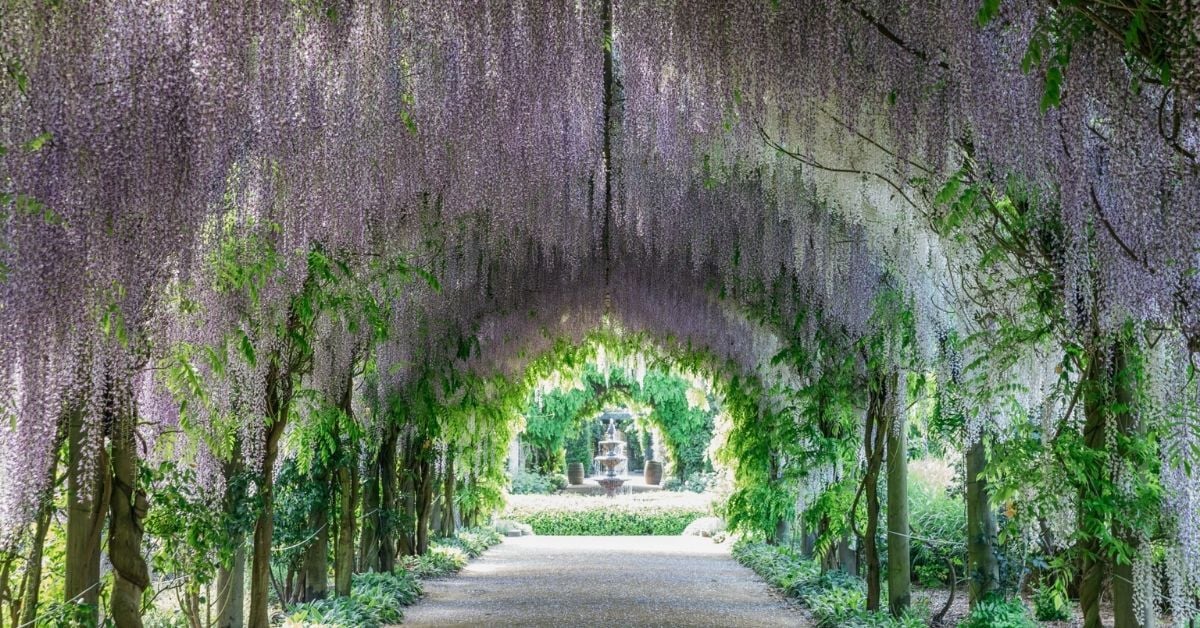
Photo source: Alowyn Gardens
Spring is when Melbourne starts to bloom again. Temperatures slowly climb from around 15°C to the low 20s, gardens burst into color, and outdoor events return across the city. Like autumn, spring offers pleasant conditions for walking tours, day trips, and exploring Melbourne's famous cafes and neighborhoods. You can see pink cherry blossoms and white flowering plums during this season and bright purple jacarandas in early summer.
The season also showcases Melbourne's famously fickle climate as mentioned above. You might enjoy sunshine during breakfast, encounter a brief shower after lunch, and finish the evening beneath clear skies. This is exactly why locals often recommend dressing in layers rather than relying on a single heavy jacket.
For international students, spring is one of the easiest seasons to settle into daily life. Comfortable temperatures make commuting to campus enjoyable, while longer daylight hours leave plenty of time to explore the city after class. It's also a wonderful season for joining outdoor activities, weekend markets, and student events across Melbourne.
What to pack
- T-shirts and light long sleeves
- Cardigan or lightweight jacket
- Jeans or casual trousers
- Comfortable walking shoes
- Sunglasses
- Small umbrella
Where to go
- Royal Botanic Gardens
- Fitzroy Gardens
- St Kilda Pier
- Southbank Promenade
- Melbourne Zoo
- Brighton Beach
- Yarra River walking trails
- Dandenong Ranges Botanic Garden
- Banksia Park
Live Like a Local, Learn Like a Global Citizen with ILSC Melbourne
Planning to study in Melbourne? Finding a language school that fits your goals and helps you feel comfortable in a new city can make a big difference. At ILSC Melbourne, students can choose from a range of flexible English programs including General English, IELTS Preparation, Business English, English for Academic Purposes, and University Pathway courses, among others. Classes are designed to support different learning styles, and there are opportunities to connect with other students through activities and events. With its central location in Melbourne’s CBD, it’s also easy to explore the city, get around, and experience everyday life while you study.
Whether you're visiting for a few days or spending several months studying in Australia, one thing quickly becomes clear: Melbourne's ever-changing climate is part of its charm. The city's four distinct seasons create different experiences throughout the year, from summer beach outings and colorful autumn parks to cozy winter cafes and blooming spring gardens.
Rather than seeing the unpredictable Melbourne weather as an inconvenience, embrace it as part of the adventure. Pack versatile clothing, check the forecast before heading out, and stay flexible with your plans. You'll soon discover that Melbourne's changing skies are just another reason why the city continues to captivate travelers and international students from around the world.
Frequently Asked Questions About Melbourne Weather
Which month is coldest in Melbourne?
June and July are the coldest months in Melbourne. Average daytime temperatures range from around 10°C to 14°C, while overnight temperatures can fall below 7°C. Although the weather is chilly, freezing temperatures are uncommon within the city.
What is the best month to visit Melbourne?
There isn't a single "best" month to visit Melbourne, as it depends on what you're looking for. March, April, October, and November are popular because they offer mild temperatures, comfortable sightseeing conditions, and plenty of festivals and outdoor events. Summer is ideal for beaches and sporting events, while winter is perfect for cozy cafes and nearby snow trips. Before you book your trip, double-check the weather in Melbourne through websites like AccuWeather so that you can manage your expectations.
Which is colder: Sydney or Melbourne?
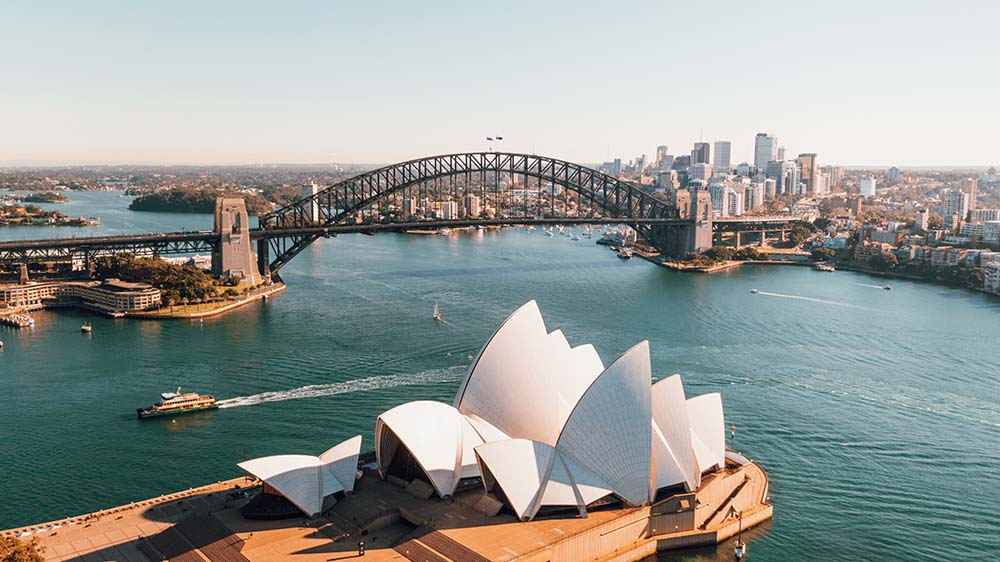
Melbourne is generally cooler than Sydney throughout the year, particularly during winter. Sydney enjoys a slightly warmer, more humid climate, while Melbourne experiences cooler temperatures and more frequent weather changes due to its southern location and exposure to cool ocean air.
Does it snow during winter in Melbourne?
Snow is extremely rare in Melbourne's city center. If you want to see snow, nearby alpine regions such as Mount Buller, Mount Hotham, Falls Creek, and Lake Mountain are the best places to visit during winter in Melbourne, as they get regular snowfall during winter, making them popular destinations for skiing, snowboarding, and weekend getaways.
How should I dress for Melbourne's weather?
The best advice is to dress in layers. Melbourne's weather can change quickly throughout the day, so it's common to wear a T-shirt with a sweater or light jacket that you can easily remove or put back on. Comfortable walking shoes, a compact umbrella, sunglasses, and a reusable water bottle are practical essentials regardless of the season. Checking the Melbourne weather forecast before leaving home will also help you prepare for changing conditions.