

A precisely written Canadian resume might be the most important tool to get you that interview and possibly get you a job in Canada. So, besides all the good things that this country offers, you face the challenge of going through thousands of job listings and finding the job that matches your preferences.
Here are some useful tips to help you in writing your Canadian resume:
1. Choose the Form of Your Resume
The first step before actually writing your resume is to think about the structure of it. Usually there are three types of resumes:
- Chronological resumes emphasize your previous work experience. In this type of resume you provide your work experience in chronological order, listing the position title you have held, name of previous employers, how long you worked there and your duties and achievements in each job. The chronological resume is the most commonly used format and works for most job applications. It contains your contact information, professional summary, work experience and education; in some cases you may refer to technical skills and volunteer experience.
- Functional resumes emphasize your skills. This type of resume is great for those who have never worked before, for newcomers who do not have Canadian work experience or for people who have a large gap in their employment history. Functional resumes highlight transferrable skills you achieved from previous jobs, activities, experience or volunteer work, instead of focusing on work experience.
- Combination resumes is just combining both formats. It focuses on skills and also includes chronological information about job position, dates and accomplishments.
2. Compose Resume Heading
Resume headings consist of your personal information such as name, phone, e-mail contacts and address. Eventually, you can add your LinkedIn profile URL (ensure that your LinkedIn profile matches the resume you intend to send to your potential employer). Do not list the title “Resume”, your gender, marital status, date of birth or social insurance number.
Creating a job summary or objective near the top of your resume can be very useful; however, it is optional. Job summary is brief information about what position you are seeking, what goals you want to achieve and what level of responsibility you want. Although keep it very clear and short (preferably less than 10 words).
3. Stand out from the Crowd
Many employers now use Applicant Tracking Systems (ATS) to screen resumes before they reach a recruiter. To improve your chances of being shortlisted, your resume should be clear, well-structured, and tailored to the job description. Use relevant keywords that match the role’s required skills, qualifications, and experience, as ATS software scans for these terms during initial screening.
When describing your previous roles, focus on specific responsibilities and measurable outcomes rather than general duties. Clear examples help both ATS systems and human recruiters quickly understand your experience and value, making your resume more likely to move forward in the hiring process.
4. Include Volunteer Jobs
This is beneficial especially for newcomers who have not had Canadian work experience yet. Focus on describing what kind of projects you were working on, what actions did you take and how did you participate in the progress and results. This rule applies also to paid job positions.
5. Customize your Resume for Each Job
You will probably apply for more than one job. Do not have only one generic resume, prepare a resume for each job you will be applying for. Write down notes about what kind of job posts you have already applied for. This could help you to be prepared for unexpected phone calls from potential employers.

A precisely written Canadian resume might be the most important tool to get you that interview and possibly get you a job in Canada.
6. Be Professional
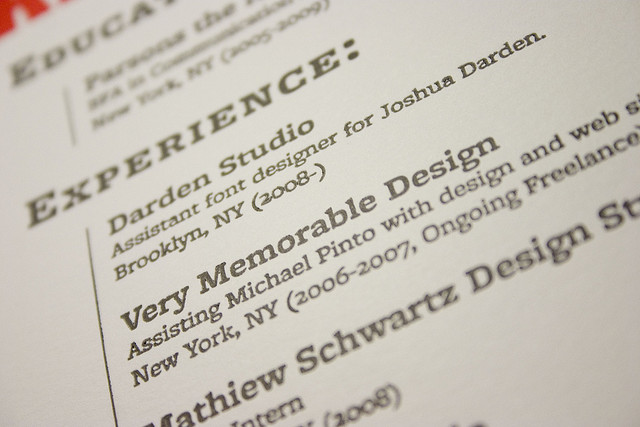
Make your Canadian resume clear, neat and organized, not longer than 2 pages. Use letter-sized white paper and easy to read fonts. Do not include a picture of yourself.
7. Proofread
Take your time to make your resume as perfect as possible, be aware of any grammatical or spelling errors. Preferably ask native speakers to check your grammar. Any grammar or spelling mistakes could get your resume to the “not invited for interview” file.
Crafting a strong, ATS-friendly resume is an essential step toward landing your desired role. By using relevant keywords, providing clear examples of your achievements, and highlighting your skills, you increase your chances of catching the attention of both recruiters and automated screening systems. At Greystone College, students can gain practical experience and enhance their resumes through our co-op programs, which provide real-world opportunities to apply classroom learning, develop professional skills, and stand out in today’s competitive job market.